
VR Headsets & Accessories of 2025: Top Picks, Innovations, and Expert Reviews
Top VR Headsets of 2025
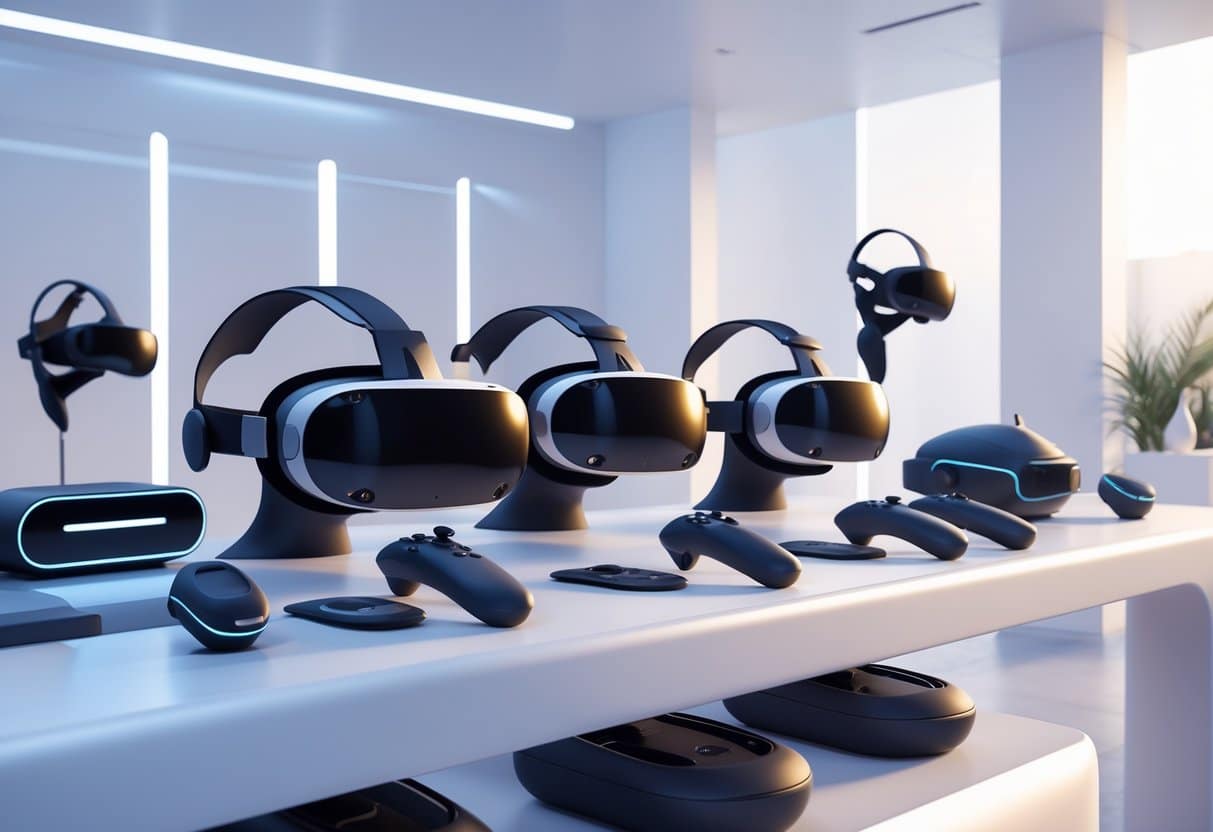
Virtual reality in 2025? It’s a buffet of choices. You’ve got powerful standalone headsets, wild mixed reality gadgets, and plenty of options for both PC and console gaming.
Meta Quest 3 and Meta Quest 3s
The Meta Quest 3 and Quest 3S are pretty much the poster children for balance,price, features, and sheer convenience. They’re standalone, so you don’t need to mess with a PC or console. The Quest 3’s got a beefier processor, better optics, and those color pass-through cameras that make mixed reality actually fun.
Features:
- Wireless,no cords, no sensors
- Color mixed reality pass-through
- Backwards-compatible with older Quest games and apps
- Lighter, comfier fit
The 3S is the budget-friendly sibling. It keeps the same processor but dials back display and comfort just a touch. For newcomers or families, it’s a gentle entry into VR. Oculus Link’s still here, so you can plug into a PC if you’re feeling fancy. More details? PCMag’s guide on the best VR headsets is worth a look.
Apple Vision Pro and Apple Vision
Apple Vision Pro is for folks who want their mixed reality with a side of luxury. It’s got pass-through video that actually looks good, slick hand and eye tracking, and a field of view that doesn’t feel like looking through a mail slot. Work, play, whatever,you’ll notice the sharp display and that signature Apple polish.
Highlights:
- Super high-res displays
- Hand and eye tracking that actually works
- Seamless Apple device integration
- Feels light,almost forget it’s on
Apple Vision is the trimmed-down version for anyone not ready to drop a fortune. It’s not as beefy as the Pro, but honestly, it’s still ahead of most competitors. If you’re an Apple fan, the easy pairing with your Mac or iPhone is a nice cherry on top.
Best PC VR Headsets
If you want the sharpest graphics and the lowest lag, PC VR is still king. Valve Index and HTC Vive are the big names for gamers who care about visuals, tracking, and mods. Both brands keep pushing refresh rates and tracking precision.
Typical features include:
- External sensors for room-scale play
- Wide field of view
- High-res displays
- Custom controls and SteamVR support
There’s buzz about the Valve Deckard and Samsung’s next headset,they’re promising even better screens and maybe wireless freedom. These headsets need a beefy gaming PC and cost more, but for VR diehards, they’re worth every penny. Tom’s Guide has a rundown of the best VR headsets in 2025 if you want to dig deeper.
PlayStation VR2 and PSVR 2
PlayStation VR2 is for PS5 owners who want to dive into console VR. It uses inside-out tracking, so you don’t need to clutter your room with cameras. The OLED display pops, and the Sense controllers have haptics and adaptive triggers that actually make a difference.
Key features:
- One-cable setup,seriously, it’s easy
- Access to PlayStation exclusives
- Eye tracking and next-gen haptics
- Stays comfy for long sessions
People love the plug-and-play vibe and the exclusive game library. Sony’s made it simple, but the step up in visuals and immersion from the old PSVR is real. GamesRadar’s best VR headsets for 2025 list includes it for a reason.
Essential VR Accessories
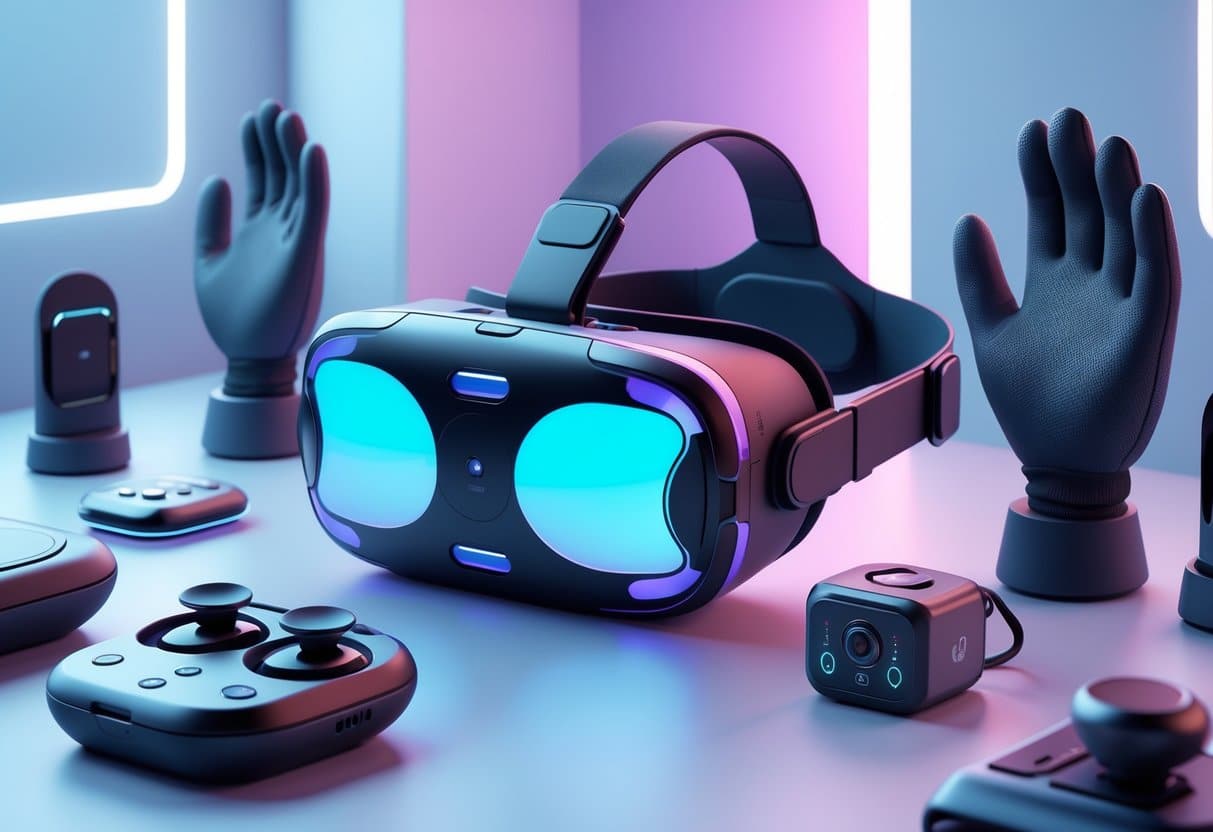
Accessories can totally change how VR feels. The right add-ons can make everything more comfortable, keep you playing longer, and just generally make the whole experience less of a hassle,especially for glasses-wearers.
Controllers and Controller Grips
Controllers are your hands in VR. You want ones that track well, have clicky buttons, and don’t drop connection at the worst moment. They’re essential for gaming, drawing, or just poking around.
Grips are a sleeper hit. They keep controllers from slipping when you get sweaty or play something active. Most are silicone or textured plastic, and some can be adjusted for different hand sizes. If you play a lot, it’s worth having grips that feel good and keep your controllers safe from drops.
Some brands, like AMVR, make grips that fit certain controllers perfectly and just feel better. If you’re clumsy or play long sessions, these little upgrades are a no-brainer.
Head Straps and Adjustable Head Straps
A good head strap is the difference between a fun session and a headache. Stock straps are fine, but premium ones spread out the weight so you don’t get that forehead dent.
Adjustable straps are great if you share your headset with family or friends. The best ones use soft fabrics, extra padding, or clever designs that just feel better.
Some even have built-in batteries, which is honestly genius,more playtime, less charging. Casematix and similar brands make cases and accessories to keep everything together. If you’re serious about VR, a solid strap is an easy upgrade.
Headphones and Audio Solutions
Audio can make or break immersion. Headphones like the SteelSeries Arctis Nova 4 deliver crisp sound and punchy bass, with 360-degree spatial audio that helps you figure out where that enemy is hiding.
Built-in speakers are okay, but over-ear headphones block out distractions and sound way better. Noise cancelling and custom EQs let you tweak things for games or movies. Look for comfy ear pads and something lightweight if you play for hours.
Some headphones now have AI mics that cut out background noise,super handy for chatting or streaming. Over-ear or on-ear? It’s personal, but comfort and sound quality matter most. Engadget’s got a list of the best VR accessories for 2025 if you want more ideas.
Prescription Lens Inserts and Facial Interfaces
Glasses in VR? Yeah, it’s a pain. Prescription inserts snap right into your headset, so you can ditch your regular glasses and stop worrying about fog or scratches.
Some inserts are easy to pop in and out, which is nice if you share your headset. The best ones have anti-reflective and scratch-resistant coatings, so you’re not cleaning them every five minutes.
The facial interface,the part that touches your face,matters more than people think. Upgraded pads can help with sweat, hygiene, and just general comfort. Some use breathable materials or extra padding for a better fit.
Brands like AMVR make facial interfaces that are easier to clean and swap than the stock foam. If you play hard or share your headset, these are worth a look. They keep things comfy and cleaner for everyone.
VR Technology and Features
VR tech in 2025 is all about sharper visuals, smarter tracking, and feedback that actually feels real. Headsets now offer wider fields of view and mixed reality tricks that make everything feel more convincing.
Resolution and Refresh Rate
Displays are getting wild,ultra-high resolutions and variable refresh rates are pretty standard now. OLED and LCD screens mean crisp visuals, and the “screen door” effect is finally fading out. Meta Quest 3 and others pack in plenty of pixels for sharp details.
Refresh rates? Most new headsets hit between 90Hz and 144Hz. Higher is smoother and helps cut down on motion sickness. Some headsets even adjust refresh rates on the fly to save battery or keep things comfy. Eye tracking and foveated rendering are a thing now, so only what you’re looking at gets the full resolution boost.
Tracking and Hand Tracking
Tracking is crucial for immersion. Most headsets use inside-out tracking, with sensors built right into the headset and controllers,no more setting up cameras all over the place. Motion sensors keep up with your head, hands, and sometimes even your whole body.
Hand tracking is becoming standard. You can pick up, point, or poke things without a controller. Some systems mix hand and eye tracking for more lifelike avatars and smoother social experiences.
Field of View and Immersive Experiences
Field of view (FOV) is how much you can see in VR. New headsets give you 100 to 130 degrees, so it feels less like peering through binoculars. A wide FOV just makes everything feel more natural.
Lens quality is a big deal, too. Better lenses mean less blur and fewer weird colors at the edges. Eye tracking helps keep things sharp wherever you look. It’s the little touches that make gaming or working in VR feel right.
Haptic Feedback and Mixed Reality
Haptics let you actually feel things in VR,taps, bumps, even explosions. New controllers have improved motors and sensors, and some headsets even add vibration to the head strap or face padding. It’s not perfect, but it’s getting there.
Mixed reality is blowing up. Pass-through cameras and sensors let you see your real room with digital stuff layered on top. The latest headsets do this well enough for design, learning, or working with others remotely. There’s a nice roundup of these features in this 2025 headset guide.
Optimizing Comfort and Usability
Comfort in VR isn’t just about weight. Breathable padding, batteries that last, and cables that don’t get in your way can make or break a long session. Sometimes, it’s the little things that keep you coming back for more.
Sweat-Resistant Materials and Breathability
Long VR sessions can make you sweat, especially if you’re jumping around in a game. Headsets in 2025 now use sweat-resistant fabrics and memory foam cushions that don’t soak up as much moisture.
Many of the top models come with face pads you can swap out and clean. That’s honestly a relief if you share your headset or just want to keep things fresh.
Designers are finally focused on ventilation. Headsets like the Meta Quest 3 and PlayStation VR2 have vents or mesh channels that let air circulate around your face.
It helps keep you cool and cuts down on lens fog, which is something anyone who’s spent more than an hour in VR can appreciate.
Some accessories even offer antibacterial covers or hypoallergenic fabrics. If comfort’s your priority, look for adjustable straps and lightweight, breathable materials.
These small tweaks really add up for daily use or marathon gaming. If you’re curious about what’s new in headset materials, check out The Ultimate Guide to VR Headsets in 2025.
Battery Life and Charging Docks
Battery life is still a big deal. Most new headsets give you about 2-4 hours per charge, which is decent but not exactly endless.
If you play a lot, look for battery packs that charge fast and are easy to swap out. It’s kind of a must if you hate waiting.
Charging docks are everywhere now. You can charge your headset and controllers at the same time, which is just more convenient.
Some docks even show you battery levels with LEDs and use magnets, so you just snap everything into place. Keeping things on a dock means you’re always ready to play.
Portable battery packs for VR headsets are handy if you want extra playtime without being tied down by wires. A lot of headset bundles are starting to include these, which is honestly overdue.
Want a rundown of the best VR charging gear? Here’s a list: the best VR accessories for 2025.
Cable Management and Link Cables
Wireless headsets are everywhere, but a bunch of models still need a cable for PC VR or longer sessions. Tangled cords can yank on your headset or just break the mood.
Modern link cables are lighter, more flexible, and often come extra-long so you’re not stuck in one spot. Good cable management,like ceiling pulleys, magnetic clips, or retractable reels,keeps cords off the floor and out of your way.
It’s honestly safer and just feels better. A tidy cable setup also makes it easier to switch between VR systems or move your gear to a different room.
Some folks swear by flat cables since they don’t twist up as much. For more on high-performance link cables and organizers, you can check out the best VR headsets and accessories for 2025.
VR Gaming and Fitness Experiences
VR headsets in 2025 open up new ways to play and get moving. With all the latest accessories, you get super realistic worlds, interactive workouts, and setups that actually fit your style.
Top VR Gaming Experiences
Games look better than ever,high-res graphics, lifelike audio, and tracking that actually keeps up with your hands and body. Devices like the Meta Quest 3 and PlayStation VR2 are smooth and responsive, making fast-paced shooters or open-world games feel great.
PC VR is still the go-to for people chasing the best graphics. SteamVR supports most of the big titles, and accessories like gun stocks make shooter games feel way more real.
The game selection is massive now,adventure, sports, puzzles, you name it. Lots of headsets have exclusive games and cross-platform multiplayer, so your friends can join in even if they’re on something else.
VR Workouts and Fitness Accessories
VR workouts are actually fun now, thanks to better motion tracking and apps that mix up the routine. You can box, dance, do yoga, or even HIIT,all in VR.
People burn more calories because the games get you moving your whole body. Weighted exercise gloves add resistance, so you get more out of each punch or stretch.
The Skywin VR Mat helps you keep your footing and know where you are, which is easy to lose track of in a headset. Weighted club attachments are great for sports sims like golf or baseball, adding some heft to your swing.
Some setups even track your wrists and ankles for more accurate motion during workouts. If you want to dive into VR fitness, there’s a quick guide to VR headsets and accessories that’s worth a look.
Motion Sickness and User Experience
Motion sickness is still a thing, especially if you play fast or jerky games for too long. Developers are fighting it with higher frame rates, wider fields of view, and better tracking.
Some platforms let you tweak camera speed and field of view, which helps a lot. Break reminders and adjustable settings make it easier to play longer without feeling off.
Breathable face cushions and anti-fog lens covers are small but make a difference, especially if you’re sweating it out. Research suggests starting with gentler experiences helps you adjust faster.
Newer headsets with improved tracking have made a difference,most folks don’t get as dizzy or nauseous as they used to.
Immersive Gaming Setups
A good VR setup is more than just a headset. If you’ve got the space, clear play areas mean you’re less likely to smash into stuff.
Some people add haptic vests for a sense of touch and impact, which is wild. Console or PC VR setups let you go all out with gun stocks, racing wheels, or adjustable stations,whatever fits your favorite games.
Charging docks that keep everything organized and ready are pretty much standard now. For the most immersive setups, people are adding spatial audio headphones and customizable gear to match how they like to play.
VR Headset Upgrades and Customization
Upgrading your VR headset can make a huge difference in comfort and performance. Picking the right mods means both casual users and hardcore fans get more out of their setup.
VR Headset Upgrades
Popular upgrades include better straps, extra battery packs, and comfier face covers. Elite straps give you more support and take pressure off your neck during long sessions.
Swappable face pads are a win for hygiene and comfort, especially with memory foam options. Audio upgrades like the SteelSeries Arctis Nova 4 bring customizable EQ and AI mics that actually cut out background noise.
If you want to splurge, premium headsets come with sharper screens, wider field of view, and higher refresh rates. That means crisper visuals and more immersive gameplay.
Upgrading controllers with ergonomic grips or adding weights can make a real difference in fast games. These tweaks matter if you want to get the most out of VR.
Customization Options
Customization is where you can really make your VR setup yours. Some people go for custom skins or colorful faceplates just for fun.
Controller grips help prevent slipping and cut down on hand fatigue if you play for hours. Swapping out head strap padding, adding nose guards, or using cable management tools all add comfort and keep things tidy.
For audio fans, headphones with a customizable EQ let you tweak sound for different games or movies. Button mapping and controller remapping are available on some platforms, so you can set up controls the way you like.
Adding extra trackers can expand your play area or improve motion detection. It’s all about finding what works for you.
Accessory Compatibility
Not all accessories fit every headset. A lot are made for popular models like the Meta Quest or Valve Index, but there are universal options for things like controller grips and replacement face pads.
When you’re adding upgrades, double-check compatibility with docks, stands, or third-party covers. Using the wrong accessory can mess with tracking or even damage your headset.
Most reliable brands spell out exactly which headsets their products fit. Kits often include adapters now, so it’s easier to use one thing across multiple systems.
If you want more info on must-have VR upgrades and compatibility, there’s a list of 13 must-have VR accessories for 2025 that’s pretty thorough.
Software, Titles, and Ecosystem
VR headsets in 2025 come with bigger game libraries, better PC compatibility, and new ways to play. Accessories like advanced controllers now let you do more in action and sports games, which is a nice touch.
VR Software Library
Headsets run a ton of different content these days. The Meta Quest 3 and PSVR 2 give you access to both exclusive and cross-platform games, from family-friendly puzzles to epic adventures.
The PlayStation VR2 has some games you can’t get anywhere else. The Meta Quest 3 stands out for its wide game library and exclusives like “Civilization VII VR”.
Social features are still a bit lacking on some headsets, especially PlayStation. Most platforms push out regular software updates for new features and better performance.
Digital stores are now accessible right from the headset, and user-generated content is on the rise,especially on PC-based systems.
PC VR Titles and SteamVR
PC VR gaming in 2025 is still all about SteamVR. Devices like the Valve Index and Pimax Crystal Light hook straight up to your gaming PC for top-tier performance.
These headsets offer high resolutions, better tracking, and more advanced features than most standalone systems. Classics like “Half-Life: Alyx” and “Beat Saber” are still going strong, and new releases keep coming.
SteamVR keeps adding experimental stuff like hand and eye tracking if your headset supports it. Some standalone headsets, like the Quest 3, let you play PC games through wireless streaming or a USB cable, which really widens your options.
Gaming Modes and Archery Mechanics
VR games come in single-player and multiplayer flavors,local party games, huge online worlds, you name it. Developers are paying more attention to controls, especially for genres like archery.
Modern archery games use sensors for motion and pressure, so drawing a virtual bow actually feels pretty close to the real thing. Both hands work together, and the precision is surprisingly good.
Leaderboards and tournaments give these games some replay value. The same control upgrades are making sword fighting, shooting, and sports sims better, too.
This push for more natural movement is changing how we play VR, nudging hardware and software to keep up.
Frequently Asked Questions
VR headsets in 2025 have sharper visuals, lighter builds, and better compatibility. Accessories and new features make VR easier for gaming, home use, and even work.
What are the top-rated VR headsets available this year?
Some of the best VR headsets right now include the Meta Quest 3 and 3S, Apple Vision Pro, Sony PlayStation VR2, and Valve Index. They get high marks for display quality, comfort, and a huge library of apps and games. Read more about the best VR headsets in 2025.
How has VR headset technology advanced by 2025?
Headsets now have higher-res displays, lighter weights, and better tracking. New models use eye tracking, OLED screens, and improved room-scale sensors.
Battery life and wireless features have finally gotten more reliable, so you can play or work longer without hunting for a charger.
Which VR headsets are most compatible with PC gaming?
The Valve Index is still a favorite among PC gamers in 2025. Some of the newer tethered PC VR headsets are also getting a lot of attention.
Plenty of people use the Meta Quest 3 for PC VR these days, whether they’re connecting wirelessly or just plugging in. The Pimax headset, which just launched, comes with 4K OLED displays and some pretty advanced tracking,definitely worth a look if you’re serious about PC VR gaming.
What are the essential accessories for enhancing VR experiences in 2025?
A magnetic charging dock for Meta Quest models is honestly a game changer,it makes charging both faster and less of a hassle. Upgraded VR controllers and comfortable facial interfaces are starting to feel like must-haves, not just nice-to-haves.
Room-scale tracking sensors can make a huge difference in accuracy. Some folks also grab controller grips and carrying cases, mostly for portability and just to keep things organized. Charging docks now come with fast charging and built-in protections, which is a relief if you’re worried about keeping your gear safe.
How do Meta Quest 3’s features compare to its predecessors?
The Meta Quest 3 is noticeably lighter than the Quest 2, and the display is sharper too. Tracking feels more responsive, and the strap is way more comfortable out of the box.
Controllers got a nice upgrade, and the new processor? It really helps games run smoother. Mixed reality stuff is a lot more convincing now, though there’s always room for improvement.
What are the projections for the future development of VR technology post-2025?
Analysts are talking about lighter designs, better full-body tracking, and a bigger push for mixed reality (MR) features in the next wave of VR headsets.
Brands like Samsung are teasing new models, and there are constant tweaks happening with displays and sensors. It all points to continued growth and innovation in the VR industry.
Honestly, if prices drop and setup gets easier, it feels like VR could finally break out of its niche and land in a lot more homes and offices.
Last Updated on June 20, 2025 by John Adams
