
Touch on Immersion, Intimacy, and Why Fans Feel More Connected with VR
The Shift from Engagement to Immersion
For years, digital platforms revolved around quick interactions,likes, comments, the usual stuff. But lately, VR is shaking things up, pushing fans into experiences that feel way more personal and vivid. This deeper sense of connection is changing how people engage with teams and events, making the whole thing feel a lot more real.
Defining Immersion Versus Engagement in VR
When I talk about engagement, it’s usually things like following updates or chatting online. You’re involved, but there’s still a screen between you and the action.
Immersion is a different beast. With VR, you’re surrounded by high-res visuals, 3D audio, and sometimes even haptic feedback. Suddenly, you’re not just watching,you’re sort of there.
Sports teams use this difference to their advantage. Watching a highlight reel is fine, but stepping into a VR replay where you can look around the stadium? That’s a whole new level of presence.
The Psychological Depth of Immersive Experiences
Immersive tech strikes me on a psychological level by creating a sense of presence. My brain starts to accept the virtual world as if it’s actually real, which is wild if you think about it.
Studies show immersion depends on sensorimotor input, narrative, and interactivity. When these click, I’m not just a viewer,I’m a participant. Even a short VR session can feel more memorable than hours of passive watching.
That’s a big deal in sports, where fans crave more than just content. They want to feel like insiders. VR locker room walk-throughs or courtside seats? That stuff builds loyalty and keeps fans coming back.
Emotional Bonds and the Feeling of Belonging
Immersion changes my emotional connection, too. When I’m in a virtual stadium, I can almost feel the crowd’s energy and the tension in the air. It’s a lot more than just spectating.
Belonging is huge for fans. VR recreates the vibe of being with other supporters, even if I’m just sitting on my couch. That sense of community is hard to match with regular engagement tools.
By bridging distance and delivering shared emotional moments, VR and similar immersive tech really deepen loyalty. It’s the difference between watching and truly being part of something.
How VR Creates Intimacy and Connection
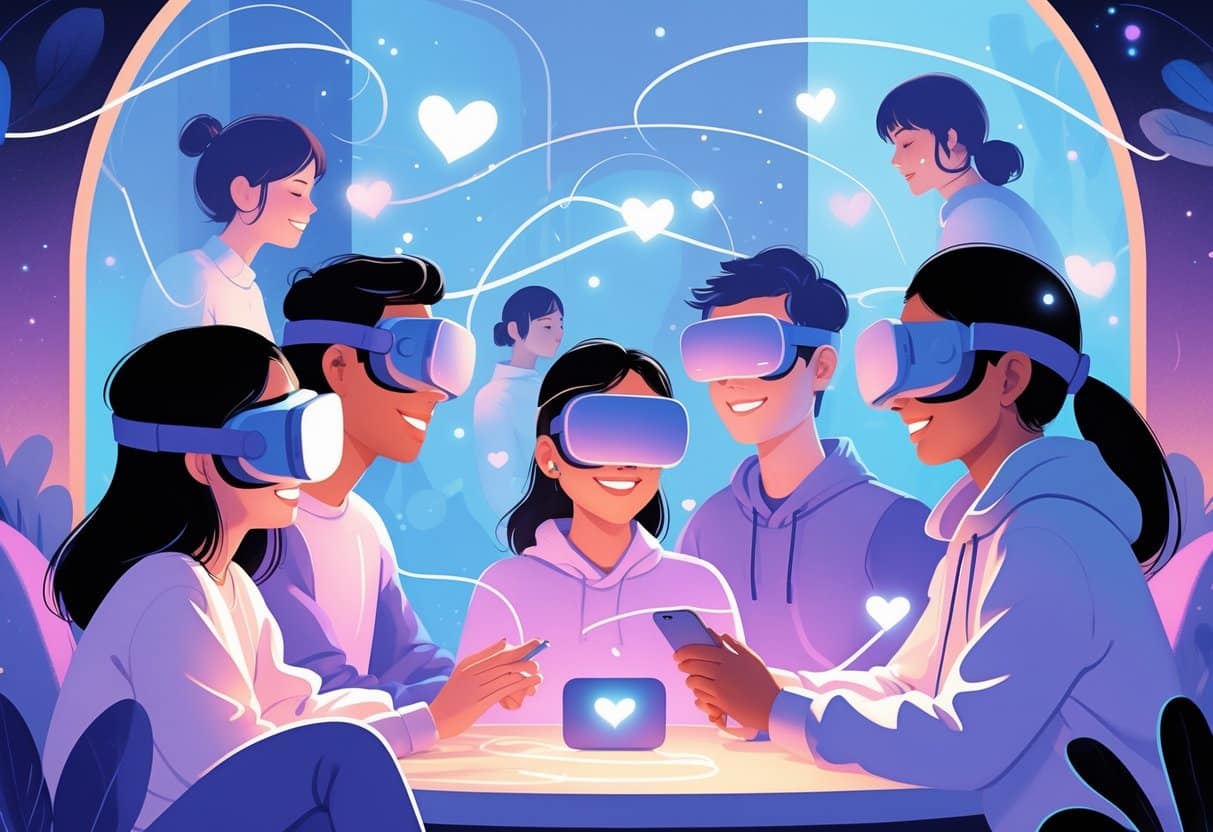
Virtual reality is changing how closeness works. It makes physical distance less of a barrier by simulating presence and creating places for fans to hang out together.
Simulating Presence at Sporting Events
With a VR headset, I can feel like I’m actually sitting in the stadium,sometimes right on the sidelines, or up in the nosebleeds if that’s your thing. It’s a lot more personal than just watching on TV.
Honestly, audio is a big part of it. The crowd noise, whistles, the chants,they all add up and make it feel real. That’s something a flat screen just can’t pull off.
For fans who can’t travel, VR is the next best thing. It bridges the gap between being there and just tuning in from afar.
Personalized and Interactive VR Experiences
One thing I love about VR is controlling how I watch. I can switch camera angles, hit replays, or follow a single player. That’s way more freedom than you get from a normal broadcast.
There’s a bunch of interactive stuff, too. Gestures, polls, real-time stats,all inside the headset. Suddenly, I’m not just watching; I’m shaping the experience.
This kind of personalization makes it feel like the event is tailored to me. That’s a different kind of connection, honestly.
Some interactive options in VR sports apps:
- Custom camera views
- Live stat pop-ups
- Gesture-based responses
- Instant replays on demand
Building Community in Shared Virtual Spaces
The social side of VR is underrated. I can sit in a virtual stadium with friends or random fans, even if we’re continents apart.
Chatting, cheering, reacting through avatars,it all makes the experience feel communal, not just solitary. That’s a big shift from watching alone.
These shared spaces go beyond just the game. Fans mingle in virtual lobbies, debate plays, or watch highlights together. It’s a whole ecosystem of connection.
Mixing immersion with interaction, VR turns solo viewing into something collective and way more engaging.
Augmented Reality and Enhanced Fan Experiences

Augmented reality is shaking up how fans interact with live sports. It layers digital info and interactive features right onto what you’re already seeing, making everything more dynamic.
AR Overlays and Real-Time Data for Fans
Using AR in a stadium, I can point my phone at the field and see stats pop up instantly,player speed, shot accuracy, and even possession percentages. It’s like having a cheat sheet for the game.
Teams are rolling out 3D replays, too. I can check out a goal or a key play from all kinds of angles, right from my seat. That’s a game-changer, especially for folks who want more context.
Betting and analytics are getting baked into AR apps as well. I can check odds and performance data without missing a second of the action. It’s all about staying connected to every angle of the game.
| AR Feature | Example Use Case |
|---|---|
| Real-time stats | Player speed, shot accuracy, possession |
| 3D replays | Multiple angles of key plays |
| Live analytics & betting | Odds and insights in real time |
Interactive Digital Content Beyond the Stadium
AR isn’t just for game day. I can use team-branded filters on social media to show support, and honestly, it’s kind of fun to mess around with the effects.
Shopping is easier, too. I can preview a jersey or hat on myself before buying,no more awkward returns. Team stores are jumping on this trend fast.
Gamified AR content is huge. Virtual penalty shootouts or scavenger hunts let me compete with friends wherever I am. It keeps the energy going even when there’s no game.
Blending real and digital, AR makes being a fan a year-round, interactive thing,not just something you do on game day.
Digital Platforms and Social Connectivity
Digital platforms are at the heart of how fans stay connected these days. They’re shaping the way people share experiences and interact with teams,and with each other.
Social Media’s Role in Modern Fandom
Personally, I use social media for everything,live updates, highlights, even arguing about calls in real time. Twitter, Instagram, TikTok… they make it easy to connect with athletes and other fans.
Teams use these platforms to reach more people, posting behind-the-scenes stuff and personal stories. When I share or comment, I feel like I’m part of the story, not just a bystander.
Instant reactions,likes, polls, Q&A sessions,make me feel involved. It’s a two-way street that really amps up my loyalty.
Virtual Fan Communities and Meetups
I’m in a couple of online fan groups, and the conversation goes way beyond just the games. Discord, Reddit, Facebook,they’re all buzzing with debates and hot takes.
Virtual meetups are a thing, too. Watch parties on Zoom or in VR spaces let fans from everywhere celebrate together. It’s the next best thing to actually being there.
Some teams even host official digital events,player Q&As, exclusive content, interactive sessions. It’s a cool way to get closer to the action and meet people who are just as obsessed as I am.
Emerging Technologies and the Future of Fan Intimacy
New digital tools are popping up all the time, changing how fans connect with sports and entertainment. It’s all about making the experience more personal and interactive.
NFTs and Blockchain for Digital Ownership
Blockchain is making waves in sports, especially when it comes to proving digital ownership. NFTs let fans own verified digital collectibles,highlights, player cards, even virtual tickets.
This is a big deal because it’s not just a screenshot or a file; it’s something unique, tracked on the blockchain. That kind of authenticity matters to collectors and hardcore fans.
Teams are experimenting with NFT tickets that double as collectibles or unlock special access, like behind-the-scenes content. For a lot of people, owning a piece of the team’s history feels like a bigger deal than just buying merch.
It’s a new way to feel invested and involved, and honestly, I’m curious to see where it all goes next. If you want to dig deeper into the intersection of VR, intimacy, and digital fandom, check out resources like vrcamgirl.com, vrstrip.cam, or even mainstream industry stats on Statista’s VR section.
Gamification and Predictive Engagement
Gamification is quickly becoming the heart and soul of fan intimacy strategies. These days, people crave more than just watching,they want to jump in and shape the experience with interactive features. Check out how some platforms are leading the way.
Think about mobile apps that let users predict game outcomes or player stats while the action unfolds. If you nail the prediction, you might score points, unlock rewards, or even gain access to exclusive content nobody else sees.
This shift from passive to active engagement is a game-changer. Suddenly, watching becomes a challenge, a competition, and,let’s be honest,a lot more addictive.
On the flip side, predictive engagement tools are a goldmine for organizations. Every choice fans make is logged, giving teams a peek into what really matters to their audience.
With this data, clubs and brands can serve up custom highlight reels or laser-focused promos. It’s all about making each fan feel like the content was made just for them.

For those curious about how this trend is shaping up across industries, VRCamGirl and VRStrip both explore similar interactive models in their own corners of the web. According to a 2023 Deloitte report, 68% of sports fans said they’d engage more if real-time predictions and rewards were available,pretty wild, right?
So, is gamification the future of fan connection? It sure feels like it’s already here, changing the rules for everyone involved.
Immersive Sports Betting Environments
Sports betting has taken on a new life with immersive technology. VR and AR platforms now offer real-time betting options, seamlessly layered onto live games,pretty wild if you ask me.
Picture this: a fan at the stadium, wearing an AR headset, glancing at updated odds hovering right over the field. No more fumbling with your phone or missing a play.
In virtual reality, things get even more interesting. Imagine a digital sports lounge, where friends gather from around the world, chatting and placing wagers together as if they’re all sitting on the same couch.
This kind of integration blends wagering into the fan experience itself. The lines between spectating and betting start to blur, and suddenly, it feels like part of the action.
Of course, with this convenience and immersion, there’s a growing need for thoughtful regulation and responsible use. It’s not all fun and games,well, mostly, but you get the idea.
By mixing entertainment, interactive design, and betting, these immersive environments are redefining how fans connect with sports. It’s a shift that’s hard to ignore, with some experts predicting that over 60% of digital sports fans will try AR or VR betting by 2027 (Statista).
For a deeper dive into how these technologies are shaping adult entertainment and interactive fan experiences, check out vrcamgirl.com and vrstrip.cam.
Last Updated on September 6, 2025 by John Adams
